

Hyde Park, one of the eight Royal Parks in London, is a place of historic significance and natural beauty that has been a favorite destination for both locals and tourists alike. This article will take you on a virtual tour of Hyde Park, highlighting its history, features, and why it should be on your must-visit list when in London.
Hyde Park was established by Henry VIII in 1536 as a hunting ground, but it wasn’t until 1637 that it was opened to the general public by Charles I. Covering 350 acres, this park is known for its man-made lake, The Serpentine, commissioned by Queen Caroline in 1730.
There are many notable monuments and memorials within the park. The Diana, Princess of Wales Memorial Fountain, opened in 2004, is a popular spot. The 7 July Memorial, commemorating the victims of the 7 July 2005 London bombings, is a poignant reminder of the city’s resilience.
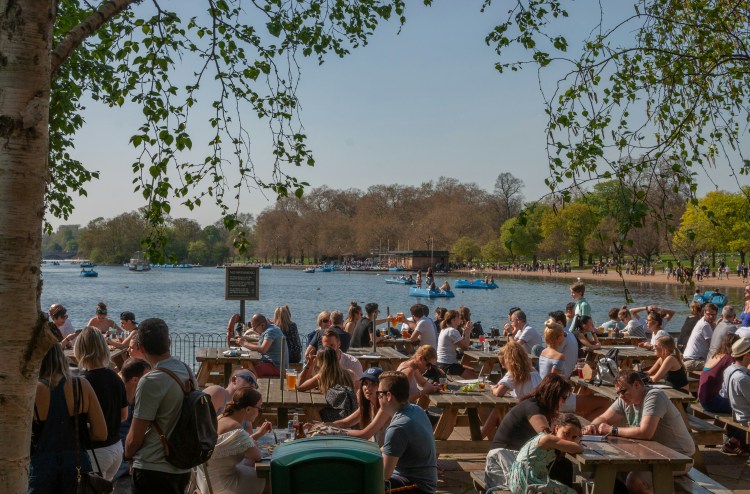
Common questions about Hyde Park include: “What are the opening hours?” Hyde Park opens from 5 am until midnight all year round. “Is there an entry fee?” Entry to Hyde Park is free, but some events and venues within the park may charge. “What activities are there?” You can enjoy swimming, boating, cycling, tennis, horse riding, and more.
Don’t miss Speaker’s Corner, a traditional site for public speeches and debates since the mid 1800s and a symbol of free speech. There’s also the Hyde Park Pet Cemetery, a small plot of around 300 graves, which started in 1881 when a gatekeeper buried his friends’ dog there.
Hyde Park also hosts several music events and concerts, including the British Summer Time festival. It’s not just a park; it’s a vibrant, living piece of London’s history. So, whether you’re a history buff, nature lover, or an adventure seeker, Hyde Park has something to offer you. Make sure to add this historic park to your London itinerary to experience its unique charm and character.
 The world in your pocket