
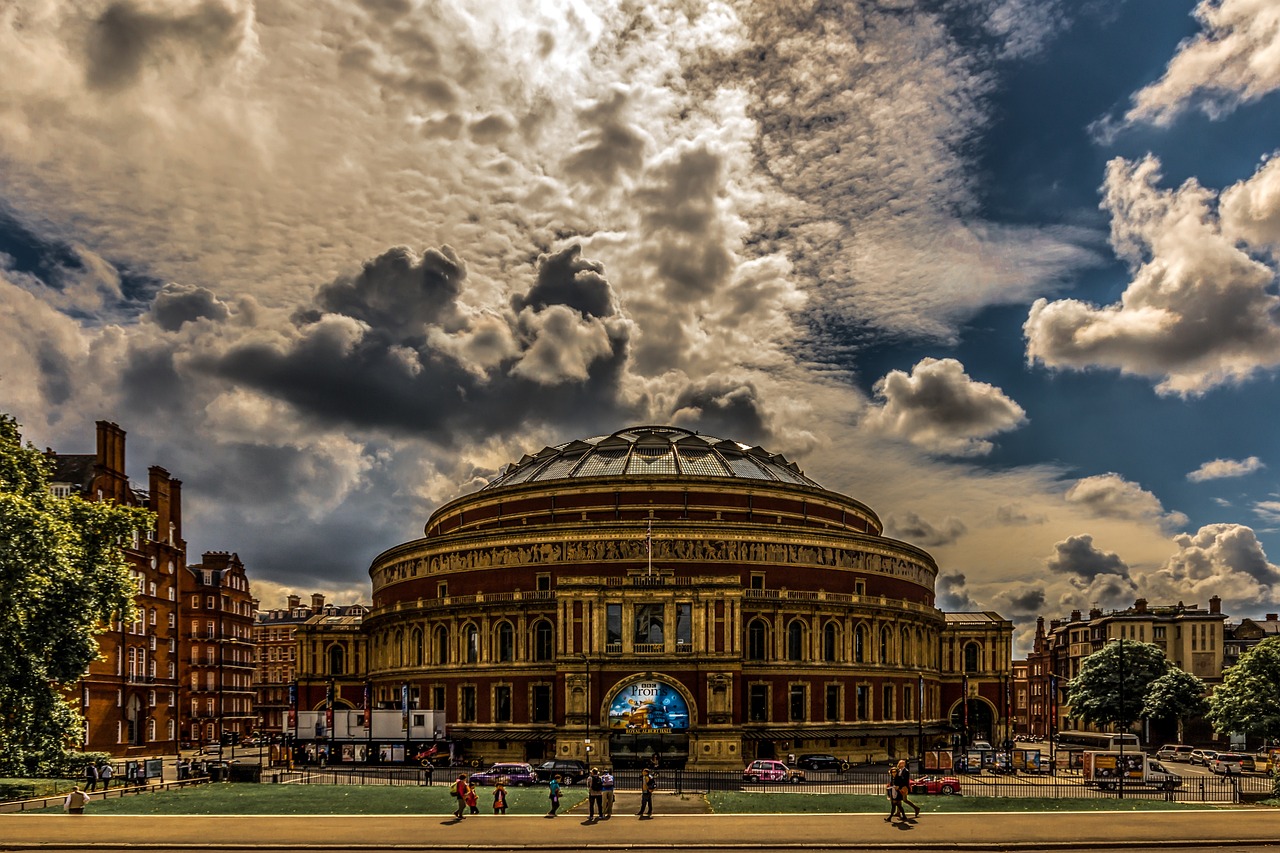
The Royal Albert Hall is an iconic London landmark, renowned for its grand performances and stunning architecture. But beyond its majestic facade lies a treasure trove of unusual stories and fascinating details that even regular visitors might not know. If you’re planning a trip to this historic venue, prepare to discover some surprising facts that add an extra layer of wonder to its rich legacy.
When the Royal Albert Hall first opened in 1871, its magnificent domed ceiling created a rather unfortunate acoustic problem: a seven-second echo. Performers’ words would reverberate so much that the venue earned nicknames like ‘the largest whispering gallery in the world.’ It took nearly a century, until 1969, to fully resolve this issue with the installation of large, fiberglass acoustic diffusers, affectionately known as ‘mushrooms,’ which now hang from the ceiling.
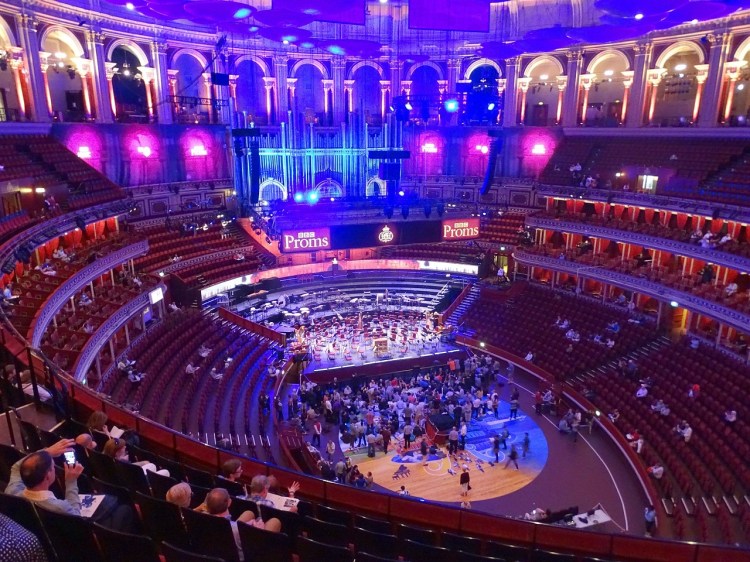
Initially conceived as the ‘Central Hall of Arts and Sciences,’ the vision for the building, championed by Prince Albert, was far grander than just a concert hall. It was intended to be a multi-purpose venue for everything from scientific exhibitions and lectures to agricultural shows and even hot-air balloon launches. Though it eventually became primarily known for music, this original ambitious scope highlights its founder’s progressive dreams for public education and entertainment.
Look closely at the exterior, and you’ll spot a magnificent terracotta frieze, over 800 feet long, depicting ‘The Triumph of Arts and Sciences.’ This intricate artwork features 16 individual groups, illustrating various aspects of human endeavor, from music and sculpture to engineering and astronomy. It’s a stunning visual narrative that encapsulates the Hall’s founding principles and is a testament to Victorian craftsmanship, wrapping around the entire building like a grand historical scroll.
Many visitors wonder about the Hall’s name; it was renamed in memory of Prince Albert, who died before its completion, by Queen Victoria. Its primary function remains a world-class performance venue, hosting over 350 events annually, from classical concerts like the Proms to rock gigs and sporting events. Yes, you can visit! Guided tours offer a fantastic way to explore its opulent interiors and learn more about its past and present.
Did you know the Queen has her own private box and entrance? Positioned centrally, the Royal Box offers unparalleled views of the stage. This exclusive access underscores the Hall’s enduring connection to the British Royal Family, a tradition that dates back to its very inception and continues to this day, making it a truly regal experience for any visitor attending an event.
Exploring these lesser-known facets of the Royal Albert Hall adds depth to its grandeur. Next time you pass by or step inside, remember the echoes it once held, the ambitious vision behind its creation, and the intricate stories etched into its very fabric. It’s more than just a venue; it’s a living piece of London‘s vibrant history, waiting to share its tales.
 The world in your pocket